Mom and Baby Boy Papercut SVG 5: A Designer's Review
As a designer who spends more time staring at stitch maps than most people spend watching television, I approach every new embroidery file with a mix of excitement and skepticism. We have all been there: you download a beautiful graphic, load it into your software, and realize the density is a nightmare or the details are too fine for anything but pristine linen. Today, I am taking a close look at Mom and Baby Boy Papercut SVG 5. While this asset is technically categorized under Crafts and Graphics, my job is to translate those vector lines into thread, tension, and texture. Does this design hold up when moved from the screen to the hoop? Let's dig into the practical reality of using this file for real-world projects.
First Impressions: Mood and Visual Personality
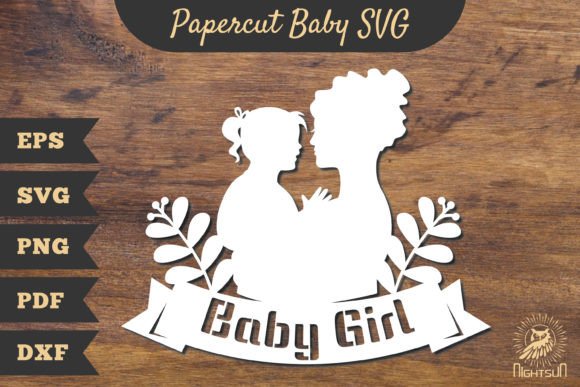
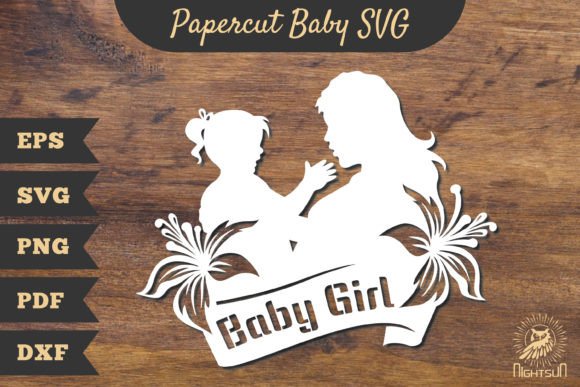
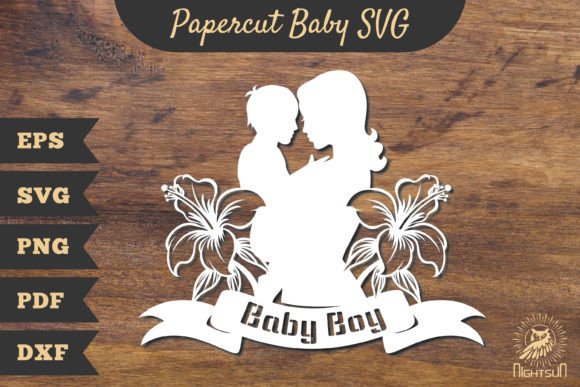
The moment I opened Mom and Baby Boy Papercut SVG 5, the first thing that struck me was its gentle, organic flow. The "papercut" style implies a certain level of intricacy—layered shapes that mimic the art of cutting paper by hand. In the context of embroidery, this translates beautifully to a design that relies on clean outlines and thoughtful negative space rather than heavy, blocky fills. The mood is undeniably tender; it captures the quiet intimacy between a mother and her child without being overly saccharine. For a handmade product intended as a personalized gift, this visual personality is gold. It feels modern yet timeless, avoiding the cartoonish traps that sometimes plague baby-themed designs.
From a layout perspective, the composition is balanced. The shapes interlock in a way that suggests unity, which is perfect for storytelling through stitch. However, because this is a digital embroidery file derived from a graphic format, the transition from vector to stitch requires careful planning. The sharp angles typical of papercut art need to be softened slightly in the digitizing phase to prevent thread breaks, or one must choose a running stitch or light satin stitch approach to maintain that crisp, cut-paper aesthetic.
Real-World Application: The Custom Tote Bag Scenario
To truly test the viability of Mom and Baby Boy Papercut SVG 5, I imagined a specific client request: a custom tote bag design for a new mom's hospital bag or a boutique baby shower favor. Tote bags are notoriously tricky; the canvas is often coarse, and the fabric can shift under the needle. Here is where the design's simplicity becomes its greatest strength. Because the artwork does not rely on microscopic details, it scales well. Whether stitched onto a small corner of a bag or centered on a large sweatshirt embroidery project, the silhouette remains recognizable.
In this scenario, I would likely treat this as an applique design. By cutting the shapes from a soft felt or cotton fabric and using a tight satin stitch border, we can achieve the layered "papercut" look physically, adding texture that flat stitching cannot match. This approach elevates the finished product, making it feel like a high-end boutique item rather than a generic craft fair find. For an Etsy seller or small shop owner, this distinction is crucial. Customers are willing to pay a premium for items that show deliberate design choices and superior construction.
Navigating Fabric and Hoop Challenges
While the design is versatile, it is not without its constraints. If you plan to use Mom and Baby Boy Papercut SVG 5 on textured fabrics like Terry cloth or thick fleece, you must be wary of the finer internal details. Heavy pile fabrics can swallow thin lines, causing the design to lose definition. In such cases, increasing the stitch width or opting for a heavier thread weight might be necessary. Similarly, if you are working with stretchy knits for baby embroidery projects like onesies, the stability of the design is paramount. A poor choice of stabilizer here could lead to puckering, ruining the clean lines that define the papercut style.
Curved surfaces present another hurdle. If you are attempting this on a cap or a structured hat, the center of the design needs to be free of dense, connecting stitches that could pull the fabric out of shape. The open nature of this SVG helps, but you must still confirm your hoop size capabilities. If the design is large, you may need to re-digitize it to fit a standard cap frame, ensuring the motor doesn't struggle with complex jumps across the curve.
Technical Considerations for Commercial Use
For those running a craft business, consistency is key. Before listing Mom and Baby Boy Papercut SVG 5 as part of your commercial embroidery offerings, you need to establish a standard operating procedure. This includes testing the design on scrap fabric that matches your final product. Do not skip this step. Check your thread colors; a monochromatic scheme might look elegant on screen but lack contrast on dark fabric. Conversely, high-contrast threads can make the design pop but might clash with the subtle mood of the artwork.
It is also vital to review the licensing terms associated with the files provided. The package includes SVG For Cutting, AI, EPS, PNG, PDF, and DXF formats. While these are excellent for printable mockup creation and laser cutting, remember that using them for machine embroidery often requires converting these vectors into a native machine format (like PES, DST, or XXX) unless you are manually digitizing the applique layers yourself. Never assume a vector file is ready-to-stitch without verification. If you are selling the digital assets themselves, ensure your license permits redistribution. If you are selling the physical small shop product, verify that the license covers commercial finished goods.
Enhancing Brand Value and Customer Trust
Ultimately, the value of Mom and Baby Boy Papercut SVG 5 lies in how it makes your customer feel. A well-executed embroidery project builds trust. When a client receives a holiday embroidery gift or a nursery decor item where the stitches are even, the backing is clean, and the design is perfectly centered, they see professionalism. This design, with its emotive subject matter, has the power to become a heirloom piece. It fits seamlessly into collections focused on family, maternity, and childhood milestones.
By treating this graphic not just as a picture but as a blueprint for textile art, you unlock its full potential. Whether you are creating a custom apparel line for a local boutique or making a one-off embroidered patch for a friend, the success of the project depends on your attention to detail. Respect the material, understand the limitations of your machine, and let the gentle narrative of the design shine through. In a market flooded with generic clipart, a thoughtfully applied design like this sets your work apart, proving that you are not just stitching fabric, but crafting memories.